

Criticism of the working of the Luton tramway system, which has not been so pronounced of late, was vigorously renewed at the meeting of the Town Council on January 19th, 1915, when, among other things, it was described as "a wretched system".
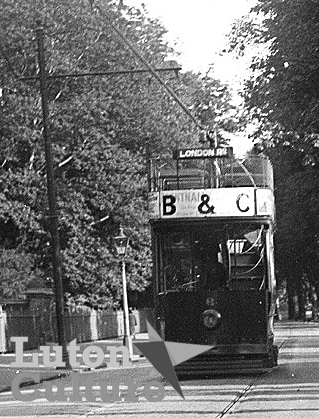 The discussion arose on a report by the Electricity Committee that Alderman Wilkinson, the chairman, had interviewed the district manager for tramways lessees regarding complaints made as to the inefficiency of the tram service. He had received a promise that every practicable step would be taken to meet the wishes of the Council.
Councillor Impey said he had not complained much about the tramways during recent months, but there had been plenty of cause for complaint. It was time the Corporation took a firm stand as to the satisfactory running of the cars.
At present it was a case of waiting at the corner of the street wondering when a car would come. Trams were supposed to run every quarter of an hour from New Bedford Road to London Road. They ran perhaps every 23 or 24 minutes, and every day it was possible to see dozens of regular tram passengers, who used to ride when the cars were running a little more to time, walking because they would not waste ten minutes waiting for a car. He hoped the promise that every practicable step would include an assurance of a regular service.
If there were only three cars an hour and people knew when they were going it would be much better than promising four an hour and then only running two.
Councillor Bone said that when the Council spent £63,000 he did not think they were spending it for the benefit of any company. The tram system was a most wretched system. People never knew when a tram was coming, and while they were waiting they could walk the distance.
It should be put to the company pretty clearly that they were expected to run for the public benefit. If they could make a profit by so doing, so much the better for them. But if they lost, they should be compelled to carry out their arrangements.
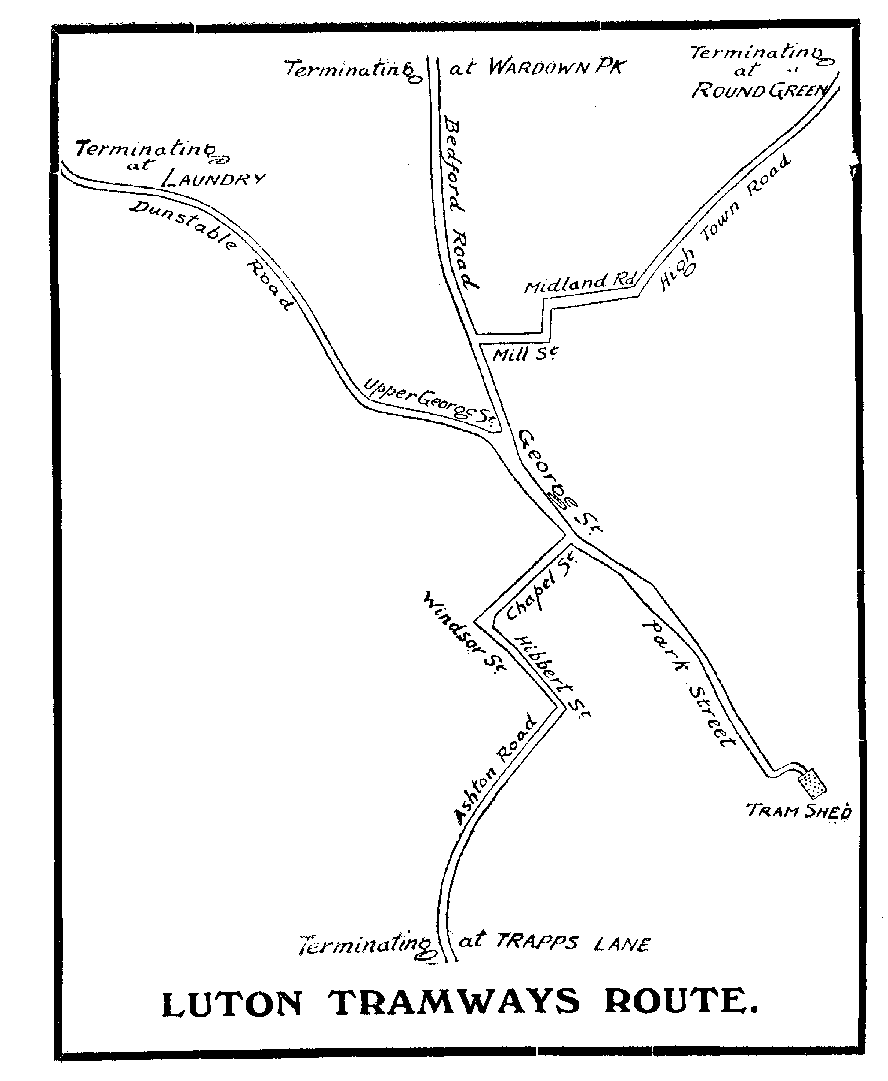 Councillor Attwood was glad that somebody else had taken up the cudgels with regard to the trams. He was on a tram the other day which, instead of going on the side of the road the driver wanted it to go, went which side it liked - the wrong side - in George Street. If a car was going ten miles an hour it should be expected to keep on the proper side, and he was afraid there would be a serious accident.
The points at the top of Cheapside were in a very bad condition, and the Borough Engineer ought to go over the route with the tramway people and point out what wanted to be put right.
Councillor A. Oakley said he did not want to pile on the complaints, but would like to know whether any complaints had been made with regard to the condition of some of the sets in the tramlines, particularly in Dunstable Road.
Alderman Oakley said when he came out of his gate expecting to get a tram, if there was one about it was always going in the wrong direction. The London Road-Wardown route was the worst served, and he had every reason to believe that the men stayed long enough at both ends to miss a journey every now and then. That route demanded better attention than it was having.
The Dunstable Road route was having the fullest encouragement of the company, and he had heard no complaints about the service on that route for some time, but he knew they existed.
There were difficulties, said Alderman Wilkinson, and these included difficulties of labour. Some of the tramway employees were with His Majesty's Forces, and the others were not so experienced.
[Source: The Luton News, January 21st, 1915]